Charting Multiplier Pathways in Networked Mobile Gaming Systems Under Regulatory Oversight
Anna Lange · Aug 20, 2026
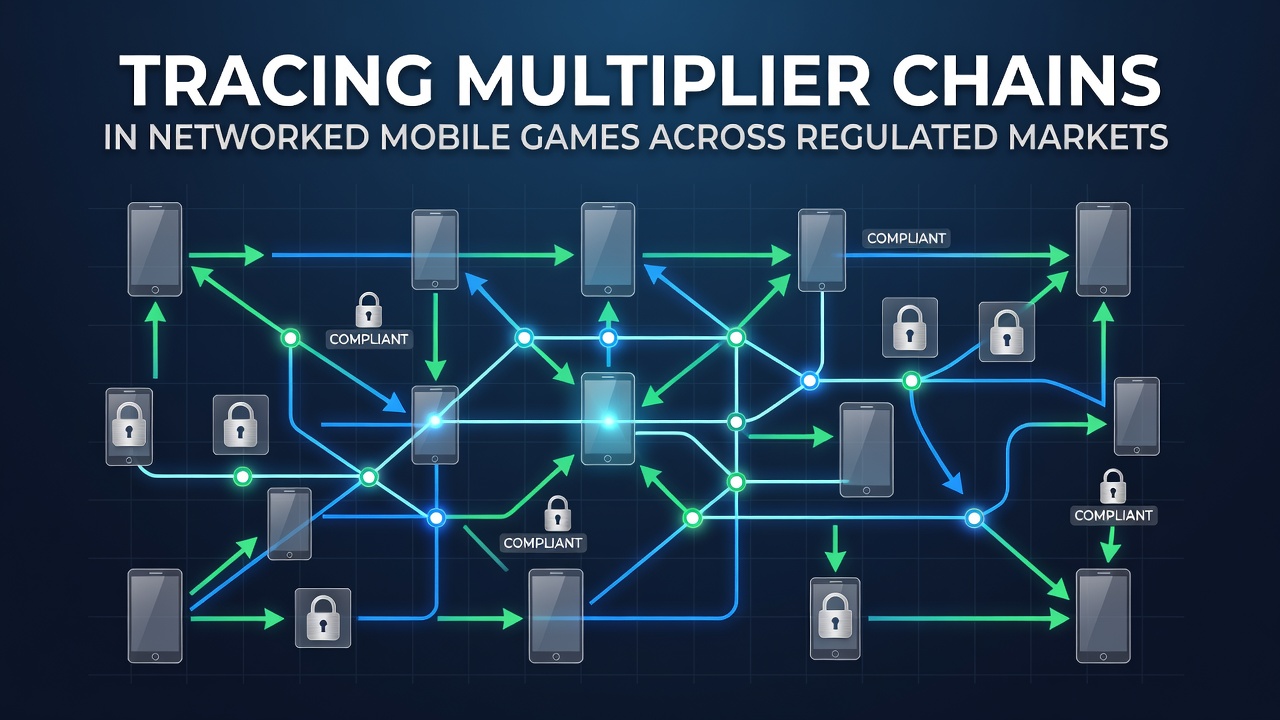
Charting Multiplier Pathways in Networked Mobile Gaming Systems Under Regulatory Oversight
Multiplier chains form when successive wins in mobile games trigger escalating factors that build through connected sessions, and observers note these sequences often span multiple rounds in networked environments where data flows between devices and central servers. Regulated markets require operators to maintain detailed logs of these progressions so that fairness algorithms can be verified by independent testing labs. Data from various jurisdictions shows that chains exceeding five consecutive multipliers appear in roughly 12 percent of tracked progressive mobile titles during peak play periods in early 2026.
Mechanics Behind Chain Formation
Game engines calculate each multiplier by referencing prior outcomes stored in session tokens, then apply teh new factor to the base payout before transmitting the updated value across the network. Researchers at technical certification facilities have documented how random number generators seed the initial trigger while subsequent multipliers draw from weighted tables that account for player activity volume. In practice, a chain begins with a standard x2 or x3 boost and can extend when additional symbols align within the same reel cycle or across linked bonus rounds.
Those who examine code repositories find that networked titles often store multiplier histories in encrypted ledgers that update every 200 milliseconds during active play, allowing seamless continuation if a player switches devices. This architecture supports cross-border sessions while still permitting regulators to audit individual chain segments.
Regulatory Approaches in Multiple Regions
Authorities in North America and Australia require real-time reporting of multiplier events that exceed predefined thresholds, with systems flagging chains longer than seven steps for manual review. Figures released by the Pennsylvania Gaming Control Board indicate that mobile platforms submitted over 4.2 million multiplier logs in the second quarter of 2026, enabling rapid identification of anomalies. Similar protocols operate under the Australian Communications and Media Authority, where operators must retain chain data for a minimum of seven years.
European frameworks emphasize interoperability standards that let testing houses verify multiplier integrity without accessing proprietary source code. One study released by the University of Malta’s gaming research unit examined 18 mobile titles and found that 94 percent of sampled chains followed documented mathematical models rather than hidden adjustments. Compliance teams therefore focus on confirming that network latency does not distort reported values during high-traffic intervals.
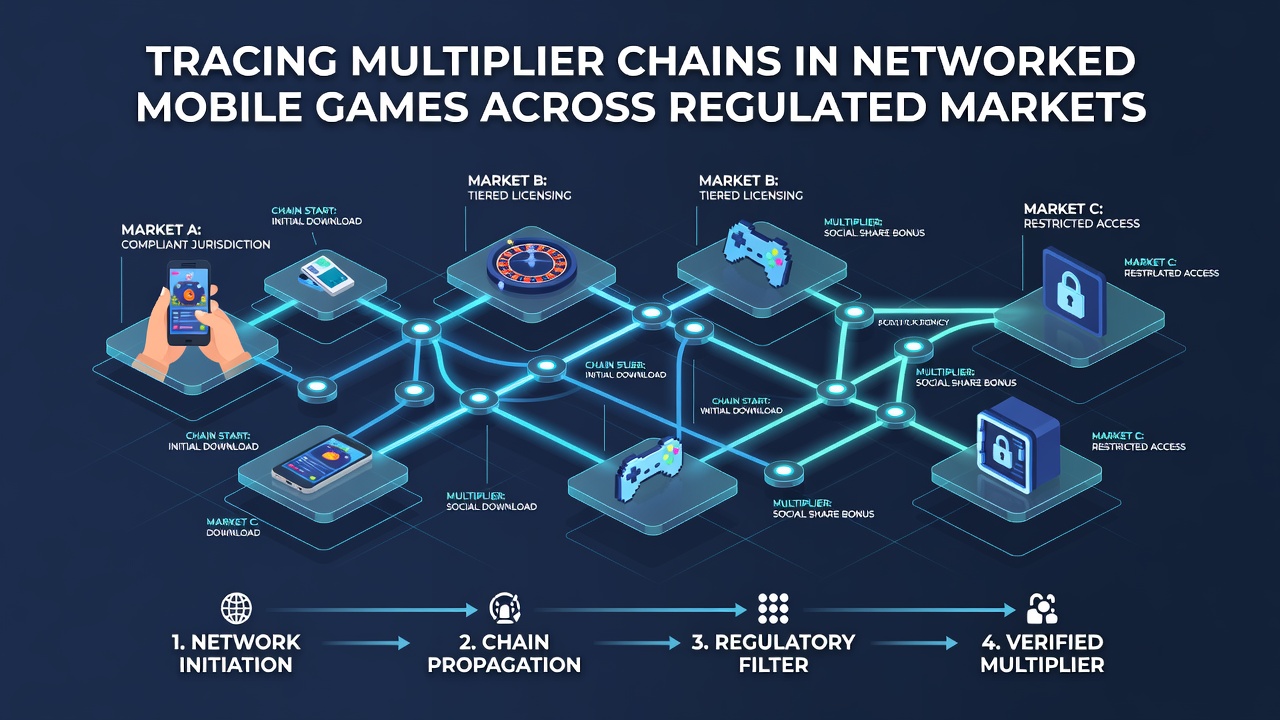
Technical Tracing Methods Employed by Auditors
Auditors deploy specialized software that reconstructs each multiplier step by parsing server-side event streams and matching them against client-side displays. These tools generate visual timelines that highlight where a chain branched, merged, or terminated because of a network interruption. In August 2026 several testing laboratories introduced blockchain-based verification modules that timestamp every multiplier application, creating immutable records accessible to regulators across participating jurisdictions.
Operators integrate API endpoints that push chain data to centralized monitoring hubs every minute during active tournaments. This continuous feed allows analysts to detect patterns such as repeated identical multiplier sequences that might indicate configuration drift. When anomalies surface, automated alerts trigger deeper forensic examination of the affected game build.
Cross-Market Data Sharing Practices
Regulated territories increasingly exchange anonymized multiplier statistics through secure portals maintained by international gaming associations. These exchanges help identify whether certain chain behaviors recur across different regulatory environments, prompting coordinated updates to testing criteria. Observers note that shared datasets from the first half of 2026 revealed consistent average chain lengths of 3.8 multipliers in both North American and Oceanic markets.
Because mobile games frequently operate under multiple licenses simultaneously, developers embed jurisdiction-specific flags that adjust reporting granularity without altering core gameplay. This modular approach reduces compliance overhead while preserving the integrity of multiplier calculations wherever the title is offered.
Conclusion
Tracing multiplier chains requires coordinated technical, regulatory, and data-sharing mechanisms that operate across borders. As mobile platforms continue to evolve, the frameworks established by mid-2026 demonstrate how detailed logging and independent verification maintain transparency in networked gaming environments subject to oversight. Continued refinement of these processes supports consistent player experiences while meeting the evidentiary standards demanded by authorities worldwide.