Decoding How Random Number Generator Tweaks Reshape Bonus Trigger Rates in Modern Digital Reel Systems
Wendy Perry · Sep 6, 2026
Decoding How Random Number Generator Tweaks Reshape Bonus Trigger Rates in Modern Digital Reel Systems
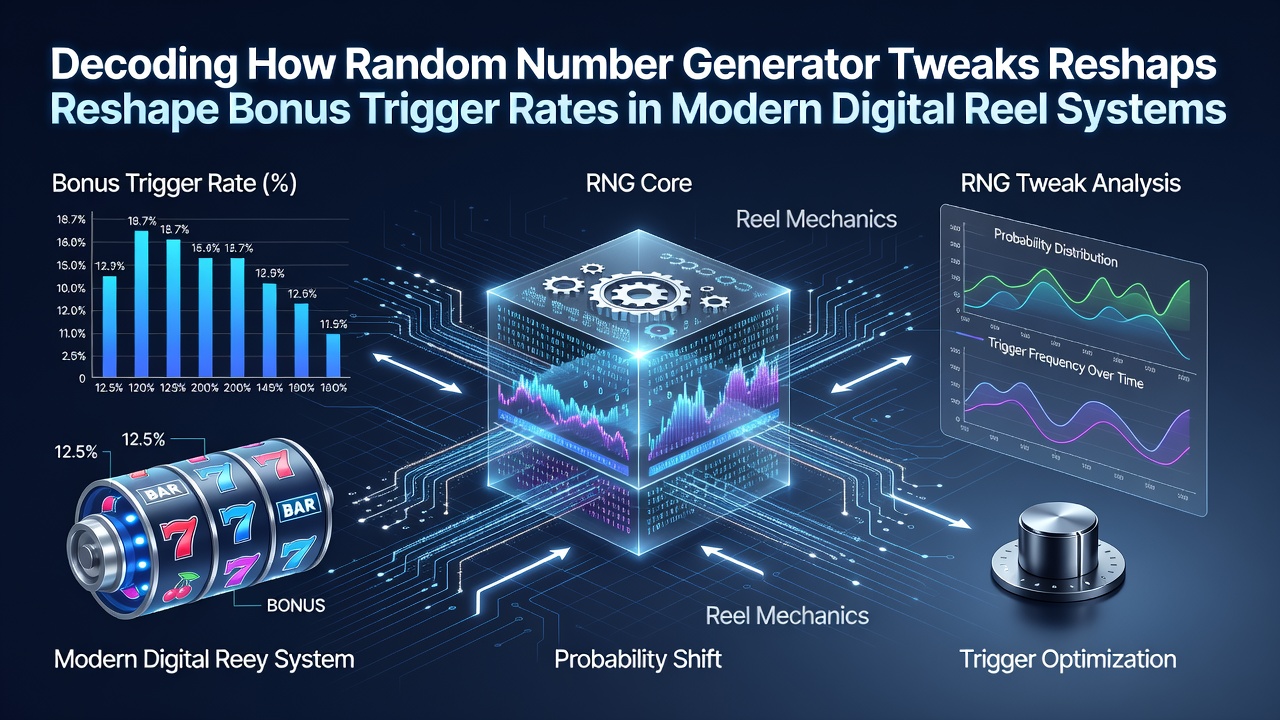
Modern digital reel systems rely on pseudo-random number generators that map numerical outputs directly to symbol positions across multiple reels, and small adjustments in weighting tables or seed algorithms can shift how often specific combinations land in bonus rounds. These tweaks do not alter the core randomness but recalibrate probability distributions so that certain trigger events occur at different frequencies while the overall return to player percentage stays constant. Observers note that game developers apply these changes during certification cycles to meet new market demands or comply with varying jurisdictional standards.
Core Mechanics Behind RNG Mapping in Reel Systems
Each spin generates thousands of numbers per second through linear congruential generators or more advanced Mersenne Twister variants, and the system samples a subset of those values to determine reel stops. Bonus triggers typically depend on landing a threshold number of scatter symbols or hitting a dedicated bonus reel segment, so altering the virtual reel strip lengths or the frequency of high-value mappings changes how often those events activate. Data from testing laboratories shows that increasing the density of bonus symbols on virtual strips by even two percent can raise trigger rates by up to fifteen percent without touching the base game hit frequency.
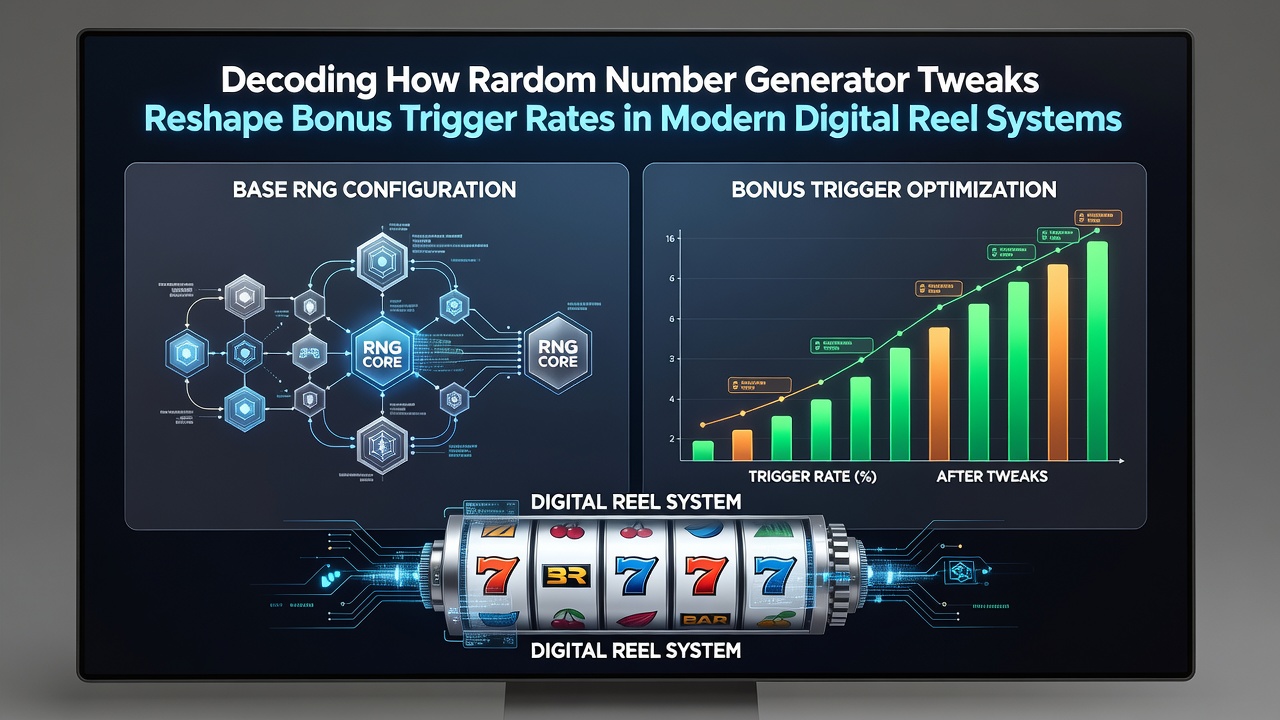
Engineers achieve these shifts through parameter files that define reel weightings separately from the visible symbols players see. When regulators require fresh audits, studios submit updated mapping tables that demonstrate compliance with minimum trigger intervals, and approval follows once independent verification confirms the new rates fall within approved bands.
Parameter Adjustments and Their Direct Impact on Trigger Frequencies
One common method involves stretching the virtual reel length assigned to bonus symbols while compressing segments for low-paying icons, and this redistribution raises the mathematical probability that the random number lands inside a bonus zone. Another approach modifies the secondary RNG stream that governs feature entry after base game symbols align, allowing studios to fine-tune whether bonuses appear every 80 spins or every 120 spins on average. Studies conducted by independent labs indicate that such recalibrations maintain the same long-term volatility profile yet produce noticeably different short-session experiences for players.
Turns out these modifications often occur alongside software updates that also introduce new reel configurations or payline structures, and the combined effect can make older titles feel refreshed without requiring complete redesigns. Industry reports from certification bodies across multiple regions confirm that trigger rate changes must stay within documented ranges, preventing any single adjustment from pushing games outside acceptable fairness thresholds.
Regulatory Frameworks Guiding RNG Modifications
Authorities in Nevada and several Australian states require detailed documentation of every RNG parameter change, including before-and-after trigger rate statistics and simulation results covering millions of spins. These filings allow oversight bodies to verify that advertised bonus frequencies match actual performance once the updated software reaches live servers. Canadian provincial regulators apply similar review processes, focusing on how adjustments affect both bonus entry and the distribution of feature payouts within those rounds.
Academic research from institutions studying gaming mathematics further supports that transparent mapping tables reduce disputes over perceived fairness, and published papers from 2025 highlight how incremental tweaks can stabilize player retention metrics without increasing overall house edge. In September 2026 several testing facilities plan to roll out enhanced simulation tools that model multi-stage RNG interactions more precisely, potentially accelerating approval timelines for revised bonus configurations.
Practical Examples from Certified Game Releases
Take one developer who released a five-reel title with an initial bonus trigger rate of once every 95 spins, and after receiving feedback on session length preferences the studio submitted a revised weighting file that moved the average to once every 78 spins. The change required only adjustments to the virtual strip allocations and a new seed offset table, yet certification bodies across two continents signed off within weeks once simulations confirmed no deviation from the approved return percentage. Observers tracking release data noted that similar revisions appear regularly as markets test different engagement patterns.
Conclusion
Random number generator tweaks provide developers with precise control over bonus trigger rates in digital reel systems, and the process stays grounded in documented parameter changes verified through independent testing. Regulatory frameworks in multiple regions enforce consistent standards that protect both operators and players by requiring transparent reporting of every modification. As simulation technology advances in late 2026, the precision of these adjustments will continue to evolve while remaining anchored in measurable probability distributions.