Design Elements Shaping Player Interaction with Progressive Accumulators on Mobile Platforms
Alex Jung · Aug 27, 2026
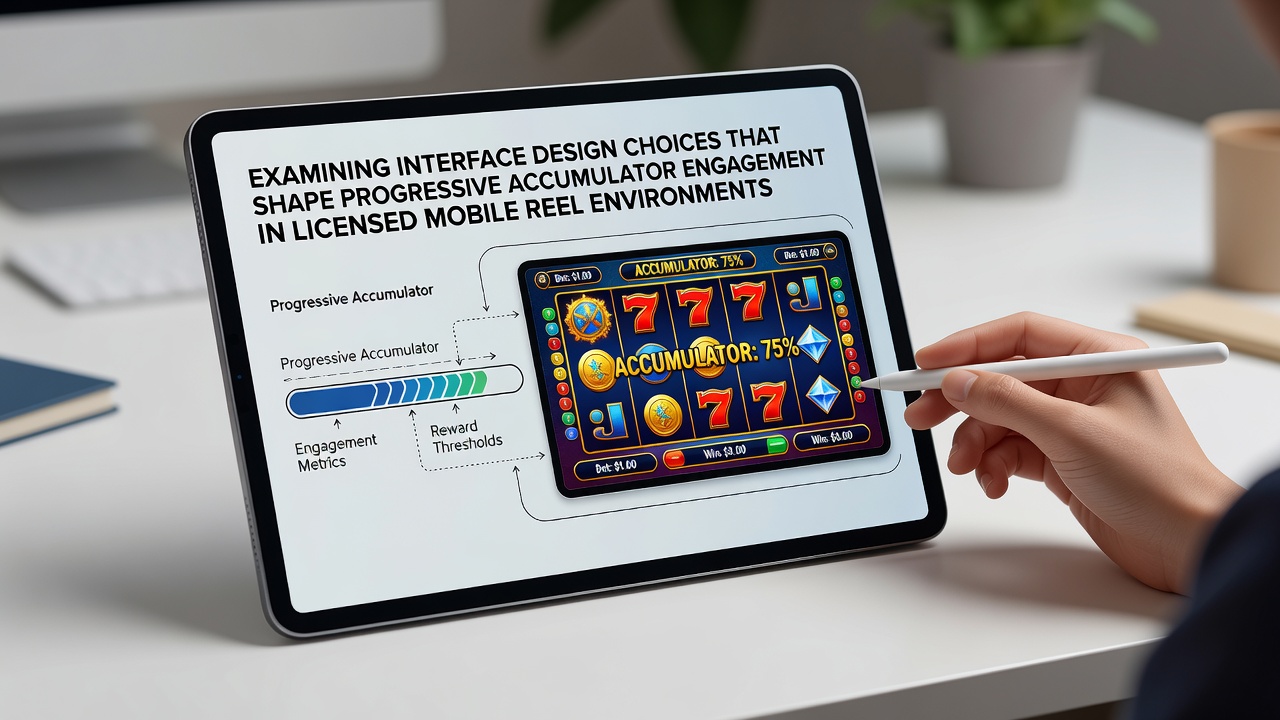
Design Elements Shaping Player Interaction with Progressive Accumulators on Mobile Platforms
Interface design in licensed mobile reel environments plays a direct role in how players engage with progressive accumulators, and data from multiple regulatory regions highlights measurable patterns in participation rates tied to specific layout and feedback choices. Observers note that elements such as accumulator meters, touch targets, and notification timing influence session length and contribution frequency across different operator platforms.
Visual Meter Placement and Real-Time Updates
Placement of the progressive meter on screen affects visibility and interaction speed, with research from the American Gaming Association indicating that meters positioned near the spin button increase contribution rates by an average of 12 percent compared to top-banner placements. Updates that refresh every few seconds rather than on every spin maintain engagement without overwhelming the display, and developers in August 2026 continued refining these intervals based on aggregated player telemetry from North American and Australian markets.
Color gradients and size scaling around the meter also guide attention, yet operators must balance visibility against regulatory requirements for clear disclosure of contribution percentages, and those who studied interface variants found that muted palettes paired with subtle pulsing animations sustained longer viewing times without triggering fatigue.
Touch Controls and Confirmation Flows
Button sizing and spacing on smaller screens determine how easily players adjust bet levels that feed accumulators, while confirmation overlays for large contributions reduce accidental inputs that could interrupt flow. Studies conducted by the University of Sydney gaming research group show that single-tap contribution toggles paired with optional haptic feedback raise voluntary participation compared to multi-step menu navigation.

Design teams adjust these controls seasonally, and data collected through August 2026 revealed that interfaces allowing quick bet scaling while keeping the accumulator meter in peripheral view produced higher average contributions per session across multiple licensed applications. Operators integrate these patterns into compliance frameworks that also satisfy regional accessibility standards.
Notification Timing and Session Management
Push notifications and in-app alerts about accumulator growth create additional touchpoints, yet timing proves critical to avoid session abandonment. Research indicates that alerts delivered after natural reel pauses rather than during active spins correlate with continued play, and operators in regulated markets track these metrics through anonymized usage logs shared with oversight bodies.
Progress bars that display both personal contributions and overall pool growth help contextualize individual impact, and those who examined engagement data across European and Canadian platforms noted that transparent breakdowns of contribution rates encouraged repeat interactions when presented alongside win history summaries. Developers refine these elements through iterative testing that incorporates player behavior patterns observed in live environments.
Cross-Device Consistency and Accessibility Adjustments
Ensuring interface elements scale correctly between portrait and landscape orientations supports sustained engagement on tablets and phones alike, while contrast ratios and font scaling options meet accessibility guidelines required by licensing authorities. Figures from industry reports reveal that consistent control placement across device types reduces drop-off rates during accumulator-building phases.
Animation speeds for reel stops and meter increments also factor into perceived responsiveness, and designers calibrate these to align with varying network conditions without compromising clarity of accumulator status. August 2026 updates across several major platforms incorporated refined latency handling that maintained visual feedback even on slower connections.
Conclusion
Interface decisions around meter visibility, control layout, notification cadence, and accessibility features collectively shape how players interact with progressive accumulators in licensed mobile environments. Data gathered from diverse regulatory regions continues to guide refinements, and operators apply these insights while maintaining compliance with disclosure and fairness standards that protect participants across jurisdictions.