Mechanics of Multiplier Chains and Their Effects on Payout Frequencies Across Licensed Reel Platforms
Klara Krüger · Oct 18, 2026
Mechanics of Multiplier Chains and Their Effects on Payout Frequencies Across Licensed Reel Platforms
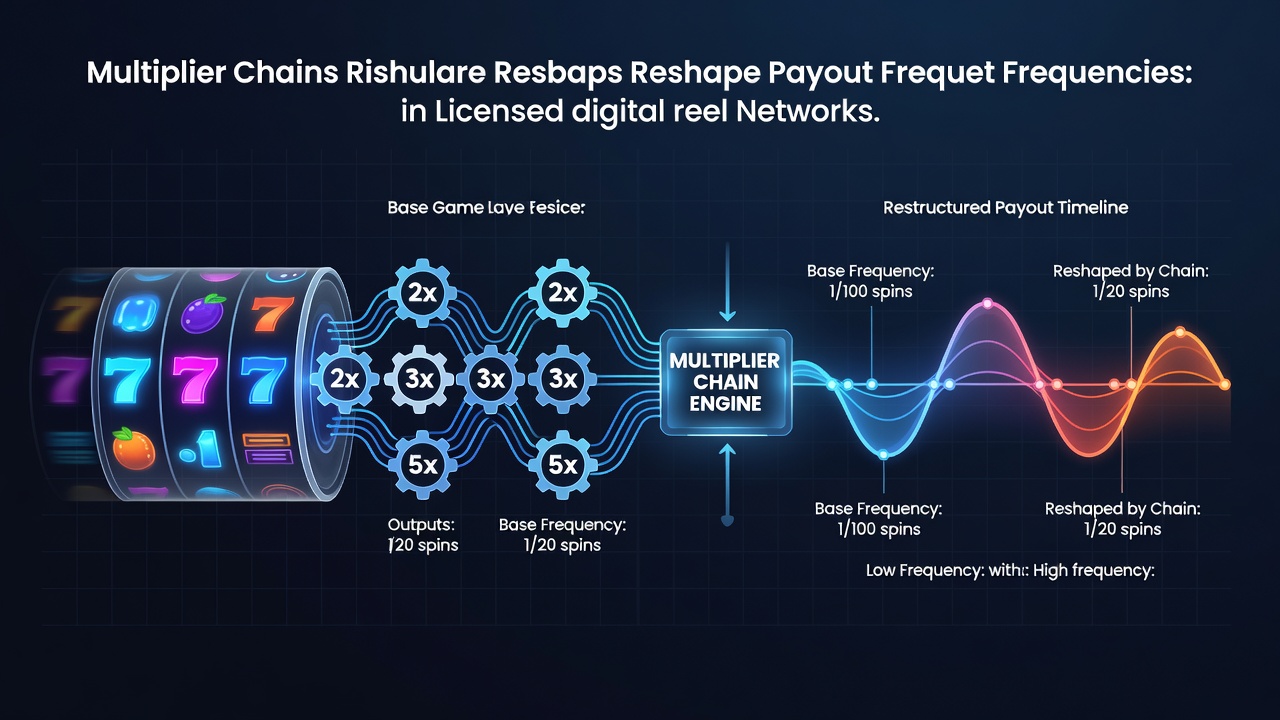
Multiplier chains operate through sequential win triggers that build upon each other in licensed digital reel networks, where each cascade or connected symbol removal applies an escalating factor to subsequent payouts, and this structure directly influences how often and at what scale returns distribute across player sessions. In these systems the base game mechanics combine with chain reactions so that one successful spin can initiate multiple layers of calculation, each one multiplying the prior result while the reels continue to resolve until no further matches appear.
Core Components Driving Chain Formation
Digital reel networks rely on random number generators to determine symbol placement, yet once a winning combination lands the chain activates through removal of those symbols followed by new ones falling into place, and observers note that teh multiplier often starts at a base value such as 1x before climbing to 2x, 3x or higher with each additional cascade. This process repeats within a single paid spin, creating extended sequences where payout frequency rises because multiple resolutions occur without requiring separate wagers, while the increasing multiplier values reshape the distribution by concentrating larger returns toward the end of longer chains rather than spreading them evenly.
Engineers design these interactions so that chain length remains probabilistic, governed by reel strip configurations and symbol weighting that control how frequently matches continue, and data from various regulatory environments shows that networks with denser symbol clusters tend to produce shorter chains on average whereas sparser layouts extend sequences and elevate the role of multipliers in final totals. Those who analyze payout logs find that the cumulative effect alters hit rates because a single bet now resolves across several steps, each contributing to the overall frequency metric reported by operators.
Influence on Payout Frequency Metrics
Traditional reel calculations measure frequency through independent spin outcomes, but multiplier chains introduce dependency across sequential resolutions so that the effective frequency per wager increases proportionally to average chain length, and studies from research institutions confirm this shift by comparing pre-chain and post-chain implementation datasets. The multiplier itself does not change the underlying probability of symbol alignment yet it amplifies the value of each alignment that occurs later in the sequence, thereby redistributing payout events toward fewer but potentially larger aggregated returns within the same number of initiating spins.
October 2026 reporting periods across multiple jurisdictions reveal continued refinement of these algorithms, with networks incorporating variable multiplier caps that prevent infinite escalation while still allowing chains to reach five or six steps in standard play, and this adjustment maintains regulatory compliance around return-to-player percentages even as the visible frequency of smaller base wins decreases in favor of compounded results. Industry organizations track these patterns through aggregated server data that logs every cascade step, providing granular insight into how chain mechanics modify the rhythm of payouts compared with static reel models.

Technical Integration in Licensed Environments
Licensed platforms embed multiplier chain logic within certified game engines that undergo independent testing for fairness, ensuring that each step in the cascade adheres to the same random generation standards as the initial spin, and external audits verify that the combined frequency of all chain resolutions aligns with declared payout percentages. Developers adjust reel mathematics so that the presence of multipliers compensates for any reduction in standalone win events, creating a balanced profile where players encounter extended sequences at rates determined by the specific title rather than by chance alone.
One documented case involved a network that introduced progressive multiplier ladders tied to chain length, resulting in measurable changes to session duration statistics because players remained engaged through multiple cascade stages within single bets, and similar implementations appear in titles released during late 2025 and into 2026. Regulatory bodies outside the UK, such as those referenced in reports from the American Gaming Association, monitor these evolutions to confirm that frequency metrics remain transparent and that operators disclose how chains contribute to overall return calculations.
Comparative Analysis Across Network Types
Networks utilizing fixed reel sets versus dynamic Megaways-style expansions display distinct chain behaviors, with the latter generating higher potential step counts due to variable symbol counts per reel, and researchers at institutions like the Australian Gambling Research Centre have compiled comparative data showing how these differences manifest in payout histograms. The multiplier chain therefore serves as a central variable that operators tune through symbol distribution and cascade rules, directly affecting both short-term hit frequency and longer-term distribution of returns across player populations.
Conclusion
Multiplier chains continue to reshape payout frequencies in licensed digital reel networks by converting single spins into multi-stage resolutions where escalating factors concentrate value toward extended sequences, and ongoing technical refinements ensure these mechanics operate within certified parameters that preserve declared return percentages. As networks evolve through 2026 and beyond, the integration of these systems remains a core element of how operators structure player experiences while meeting regulatory requirements across diverse jurisdictions.